
AZRIVA Software Development
          Company Ahmedabad
Case Study

AI-Powered Logistics Operations Platform
Warehouse, Shipment & Automation in One System.

A Canadian logistics business was managing warehouse operations, multi-carrier shipment tracking, and data processing through disconnected tools and manual workflows that couldn't scale. Our team engineered a complete logistics operations platform in 24+ weeks at a fixed price — React Native mobile warehouse app with offline sync, unified multi-carrier tracking dashboard, AI automation engine, and Grafana real-time analytics. 60% less manual processing. 45% operational efficiency gain. 35% fewer errors. Built by our mobile app development and AI solutions team.
Get a Fixed-Price Quote →
★★★★★ Rated by clients
|
100+ Mobile Apps Delivered
|
Fixed Price — No Surprises
|
NDA Before Discussion
|
Direct Engineer Access
|
Full Source Code Ownership
Sector
Canada
Client HQ
24+
Delivered In (Weeks)
60%
Manual Work Reduced
45%
Efficiency Gain

The Problem — A Logistics Operation Running on Fragmented Manual Workflows

A growing Canadian logistics business was managing warehouse operations, shipment tracking, and data processing through a patchwork of disconnected tools — paper records on the warehouse floor, multiple carrier portals for shipment visibility, and manual data entry for every processing step in between. Warehouse staff had no reliable digital tools that worked in low-connectivity environments. Operations managers had no unified view of carrier status across the network. As shipment volumes grew, the manual workflows that held everything together required proportionally more headcount to maintain — with error rates increasing as operational complexity outgrew what manual processes could reliably handle. This is exactly the class of challenge our mobile app development and AI-powered development team is built to solve.


Logistics Software Development — Warehouse and Shipment Tracking Platform
Unified Logistics Platform — React Native, Next.js, Grafana Analytics

One Platform. Warehouse. Carriers. Automation. Live Analytics.

Most logistics technology projects solve one layer at a time — a warehouse app here, a tracking integration there — without addressing the underlying fragmentation between operational layers. We built a unified three-layer logistics operations platform: a React Native mobile warehouse app with offline sync for field teams, a Next.js multi-carrier tracking dashboard for operations managers, and an AI automation engine that processes shipment data, classifies records, and generates reports without manual intervention. Grafana analytics surfaces live operational metrics across every layer simultaneously. The same full-lifecycle delivery approach we bring to all our custom software development and AI solutions engagements. One platform. One team. Fixed price. Direct engineers throughout.

Technology Stack Powering This Mobile App

Every technology choice was made for logistics operational performance at scale. React Native for offline-capable mobile warehouse management. WebSockets for real-time shipment status delivery. Grafana for production-grade operational analytics. PostgreSQL for reliable, auditable logistics data management at any volume.

Mobile Development
Mobile
Frontend
Frontend
Backend
Backend
Database
PostgreSQL
Database
Tools & Integrations
WebSockets Grafana
Tools

Real Logistics Challenges. Real Engineering Solutions.

Three operational problems were creating errors, inefficiency, and a hard ceiling on growth. Here is exactly what they were — and how our team eliminated each one with purpose-built logistics engineering.

01
The Problem

Warehouse Teams Operating Without Real-Time Visibility

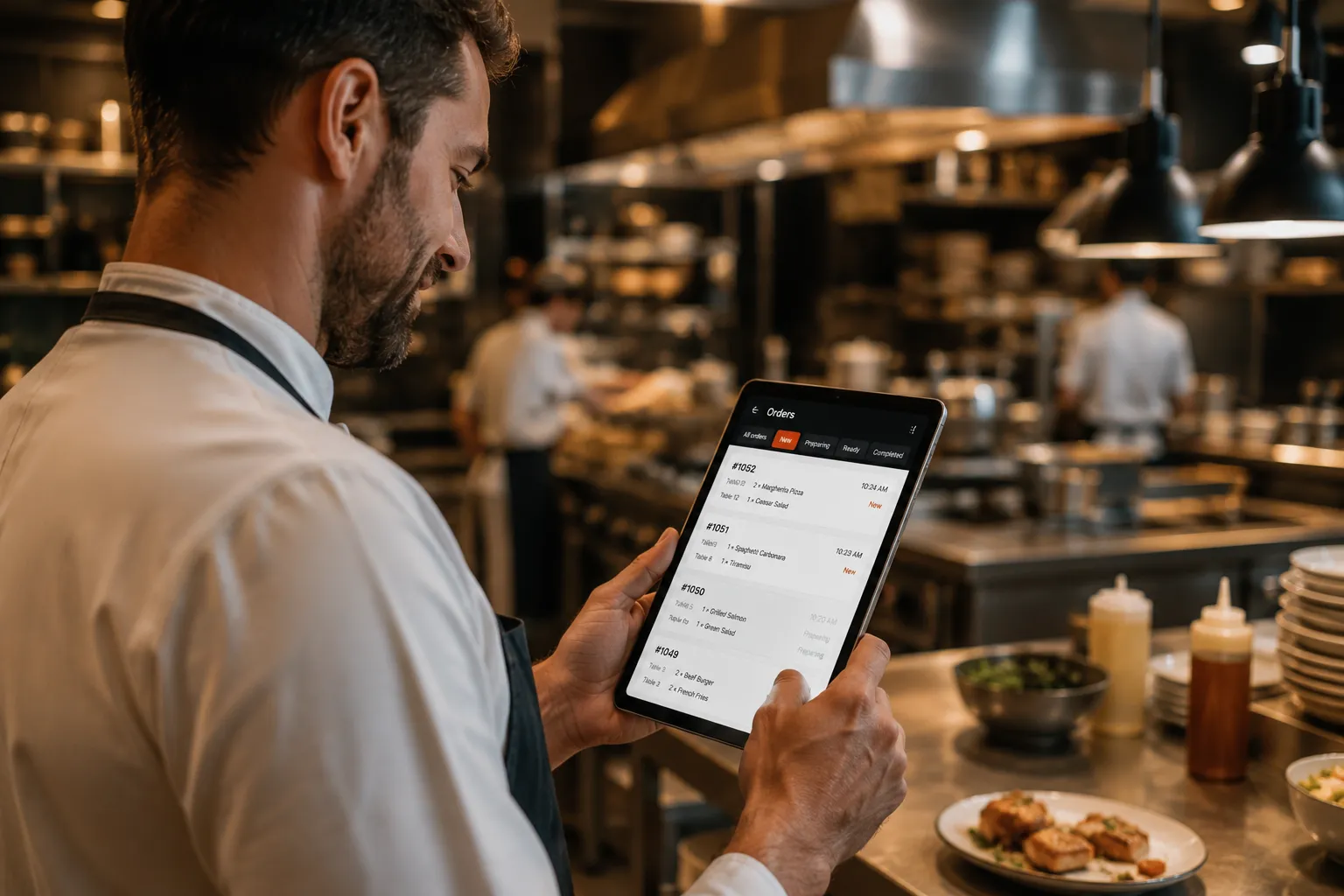
Warehouse staff were managing storage units, shipment assignments, and inventory records through a combination of paper logs, spreadsheets, and verbal handoffs. Every update required manual entry. Every status check required a phone call or a physical walk through the warehouse floor. In low-connectivity warehouse environments, even the digital tools that existed were unusable without a reliable network connection. The result was a warehouse operation running on delayed, incomplete, and error-prone information — at growing scale.

01
Our Solution

React Native Warehouse App with Offline Sync — Full Visibility on the Floor

We built a React Native mobile warehouse management app with bidirectional offline sync — warehouse staff create storage units, assign shipments, capture photos, add notes, and update status from their mobile device regardless of network connectivity. All changes sync automatically when connectivity is restored. WebSockets deliver real-time status updates between warehouse floor and operations management the moment connectivity is available. The warehouse team now operates with complete digital accuracy without dependency on network reliability. This is our mobile app development capability applied to a real operational constraint — the same approach we bring to every custom software development engagement.

02
The Problem

Multi-Carrier Shipment Tracking Fragmented Across Disconnected Systems

The operations team was tracking shipments across multiple carriers through separate carrier portals, manual email updates, and spreadsheet status logs. No unified view existed. Tracking down the status of a single shipment required logging into multiple systems, cross-referencing carrier references, and manually updating internal records. Exceptions, delays, and delivery failures were discovered reactively — after customers called, not before. The fragmentation was not just an operational inconvenience. It was a direct customer experience and revenue risk.

02
Our Solution

Unified Multi-Carrier Tracking Dashboard — All Carriers, One Screen

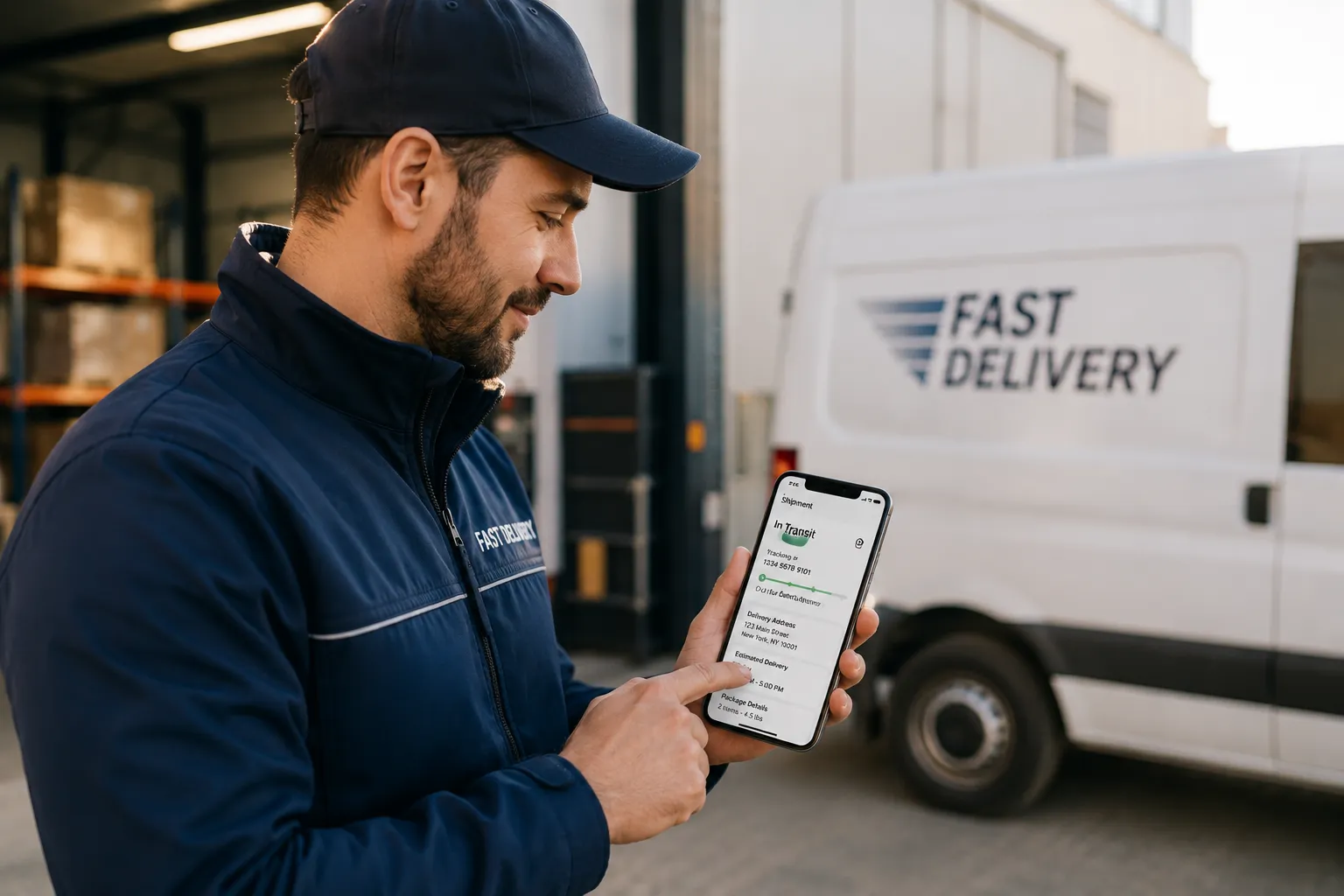
We built a Next.js operations dashboard that consolidates real-time shipment tracking data from multiple carriers into a single unified view. WebSockets deliver live status updates as they arrive from carrier APIs — no manual refresh, no portal switching. Courier auto-detection identifies the carrier from tracking numbers automatically. Exception alerts surface delivery failures and delays proactively before they reach customers. The operations team now manages every carrier, every shipment, and every exception from one screen in real time. See how we approach similar data unification challenges through our AI-powered app development and AI solutions capabilities.

03
The Problem

Manual Workflows Creating a Hard Ceiling on Operational Scale

As shipment volumes grew, the manual data processing, classification, status updates, and reporting that held the operation together required proportionally more headcount to maintain. Every new carrier added another portal. Every new warehouse location added another spreadsheet. Every new customer added another communication thread to manage. The operation could not scale without scaling the team at the same rate — and even then, error rates increased as complexity grew beyond what manual processes could reliably handle.

03
Our Solution

AI Automation Engine — 60% Less Manual Processing at Any Volume

We engineered a Node.js AI automation layer that handles shipment data ingestion, classification, status synchronisation, exception routing, and reporting generation automatically. New shipment data is processed, classified, and routed without manual intervention. Status updates propagate across the platform in real time via WebSockets. Grafana dashboards give operations managers live visibility into processing volumes, error rates, carrier performance, and warehouse utilisation — updating continuously without manual report generation. Operational scale is no longer constrained by manual processing capacity. If you are facing similar scale constraints, our MVP development approach can deliver a core automation layer in 12–16 weeks at a fixed price.

Build a Logistics Operations Platform Like This
at a Fixed Price

A unified logistics platform — mobile warehouse management, multi-carrier tracking, AI automation, and real-time analytics — engineered from scratch for your specific operational model. Tell us about your logistics business and get a detailed scope and fixed-price quote within 48 hours.

Reach Out Now
+91 96389 24757
Get a Fixed-Price Quote

How We Delivered This Project

24+ weeks from logistics workflow audit to live deployment. Every milestone agreed upfront. Fixed price locked before development began. Direct engineer access throughout — no account managers, no communication gaps.

01

Logistics Workflow Audit & Architecture

Deep analysis of existing warehouse workflows, carrier integrations, manual processing bottlenecks, and offline connectivity constraints. Three-layer platform architecture — mobile warehouse, shipment intelligence, AI automation — designed and agreed at fixed price before development began.

02

React Native Warehouse App with Offline Sync

Mobile warehouse management app built for iOS and Android — storage unit creation, shipment assignment, photo capture, notes, and status updates. Bidirectional offline sync ensures full functionality on the warehouse floor regardless of network connectivity. All changes reconcile automatically when connection restores.

03

Multi-Carrier Shipment Tracking Layer

Node.js carrier integration layer built to consolidate tracking data from multiple carriers into a single API. Courier auto-detection from tracking numbers. WebSockets deliver real-time status updates to the Next.js operations dashboard without polling. Exception detection and proactive alerting for delays and delivery failures.

04

AI Automation Engine

AI-powered data processing layer built to automate shipment ingestion, classification, status synchronisation, and exception routing. Manual data entry eliminated for standard workflow processing. Automated reporting generation replaces manual spreadsheet compilation. Processing capacity scales with volume without additional headcount.

05

Next.js Dashboard & Grafana Analytics

Next.js web operations dashboard giving management a unified view of warehouse operations, shipment status, carrier performance, and exception queues. Grafana analytics integrated for live operational metrics — processing volumes, error rates, warehouse utilisation, and shipment delivery performance updating in real time.

06

Integration Testing, QA & Go-Live

End-to-end testing across all warehouse workflows, carrier API integrations, offline sync behaviour, and automation processing. PostgreSQL data integrity validated across all sync scenarios. Load testing for peak shipment processing volumes. Staged go-live with Grafana monitoring active. Full documentation delivered at handover.

Business Benefits We Delivered

The measurable operational improvements delivered — in manual processing reduction, efficiency gain, shipment speed, and error rate — by building a unified AI-powered logistics operations platform from scratch.


AZRIVA mobile app development team — Ahmedabad, India
45% More Efficient
Operational Efficiency

Overall operational efficiency improved by 45% across warehouse and shipment teams. Unified data flows, real-time status visibility, and automated processing eliminated the coordination overhead that fragmented tools created. Warehouse staff operate with complete information. Operations managers act on live data. Management makes decisions from accurate, current metrics — not assembled manually from disconnected reports.

60% Less Manual Work
Manual Processing

Manual processing time reduced by 60% after the AI automation engine replaced manual data ingestion, classification, and status synchronisation workflows. Operations staff shifted from entering and reconciling data to managing exceptions and supplier relationships. The same team now handles significantly higher shipment volumes without proportional increases in operational overhead.

40% Faster Processing
Shipment Processing

Order and shipment processing speed improved by 40% after automated data ingestion replaced manual entry workflows. New shipments are processed, classified, and routed in seconds rather than minutes. Carrier status updates propagate to the operations dashboard in real time via WebSockets. The processing bottleneck that constrained growth was eliminated — scale is no longer limited by manual throughput capacity.

35% Fewer Errors
Error Reduction

Operational error rates reduced by 35% after automated processing replaced manual data entry and handoffs. Human transcription errors, missed status updates, and misrouted exceptions are structurally prevented rather than manually caught and corrected. The offline sync architecture ensures warehouse data accuracy even in low-connectivity environments — eliminating the reconciliation errors that paper-based warehouse operations routinely generate.

AZRIVA software development team Ahmedabad — mobile app development

How We Engage With Businesses

Three ways to work with us — all fixed price, all with direct engineer access, all with full source code ownership.

Most Popular
Fixed-Price Project

Scope agreed, price locked, timeline fixed. You know exactly what you get, when you get it, and what it costs — before we write a single line of code.
Flexible
Dedicated Team

A dedicated team of engineers embedded in your workflow. Direct access, daily standups, same-day responses. Scale up or down as your product evolves.

Advisory
Tech Consultation

Not ready to build yet? Talk to our engineers about your architecture, tech stack, or product roadmap. No sales pitch — just honest technical guidance.

Industry-Specific Development Solutions

We build apps & AI solutions for 14+ industries. Deep domain knowledge and current market trends shape every app we design and engineer.

1 / 7

Technologies & Services We Work On

We use the right technology for each project — battle-tested stacks chosen for performance, scalability, and long-term maintainability.


Mobile App Development — AZRIVA
Mobile
App Development
AI & ML Solutions — AZRIVA
AI
AI & ML
Solutions
Website Development — AZRIVA
Website
Development
E-Commerce Development — AZRIVA
E-Commerce
Development
Platform & APIs — AZRIVA
Platform
& APIs
Software Solutions — AZRIVA
Software
Solutions

Mobile App & AI Development Guides

Practical guides, honest comparisons, and engineering insights from our team.

Flutter vs Native App Development — Which Should You Choose? — AZRIVA Insights
Flutter

Flutter vs Native App Development — Which Should You Choose?

A practical breakdown of Flutter vs native app development — covering cost, performance, speed to market, and long-term maintainability. Written for founders and product teams making the build decision.

FlutterMobile App
Read Article
Fixed Price App Development — Why It Beats Hourly Billing Every Time — AZRIVA Insights
Mobile App

Fixed Price App Development — Why It Beats Hourly Billing Every Time

A straight-talking breakdown of fixed price app development versus hourly billing — covering budget control, risk exposure, project scope, and which pricing model is right for your business.

Fixed PriceApp Development
Read Article
How to Integrate AI Into Your Mobile App — Complete Guide — AZRIVA Insights
AI

How to Integrate AI Into Your Mobile App — Complete Guide

A straight-talking guide to AI integration in mobile apps — covering use cases, implementation approaches, cost expectations, and how to add AI features to an existing app without starting from scratch.

AI IntegrationMobile App
Read Article
View All Articles

Ready to Build Your Next App?
at a Fixed Price

Tell us about your project. We'll give you a realistic scope and a fixed-price quote within 48 hours. No agency fluff. Direct engineers.

Reach Out Now
+91 96389 24757
Get a Fixed-Price Quote

Questions From Business Owners

Real questions from founders and business owners — answered directly and honestly.

Updated May 2026
Cost depends on platform scope, number of carrier integrations, warehouse management complexity, offline sync requirements, AI automation depth, and analytics capabilities. A production-ready logistics platform with mobile warehouse management, multi-carrier tracking, AI automation, and real-time analytics typically represents a significant but well-defined investment. We provide a fixed price after a detailed discovery session — no hourly billing, no open-ended invoices. Visit our mobile app development page or contact us for a scope and fixed-price quote within 48 hours.
A full logistics operations platform with React Native mobile app, multi-carrier shipment tracking, AI automation engine, and Grafana analytics dashboard typically takes 20–30 weeks from discovery to live deployment. This project was delivered in 24+ weeks at a fixed price. Timeline depends on the number of carrier integrations, warehouse workflow complexity, offline sync requirements, and AI automation scope.
React Native delivers a cross-platform mobile experience for warehouse staff on iOS and Android — critical for field-use applications where offline sync capability is essential. Node.js handles the backend API layer for shipment processing, carrier integrations, and automation workflows. Next.js powers the web operations dashboard for management visibility. PostgreSQL provides a robust database for shipment records, warehouse data, and operational history. WebSockets deliver real-time updates across the platform. Grafana provides production-grade operational analytics. See our custom software development and AI solutions capabilities.
Offline sync in a warehouse mobile app requires a local device database that stores all changes made without connectivity — new storage unit assignments, shipment status updates, photos, and notes. When connectivity is restored, the app performs bidirectional sync with the central PostgreSQL database — pushing local changes up and pulling remote updates down. Conflict resolution logic handles cases where the same record was updated both locally and remotely during the offline period. The warehouse team operates with full functionality regardless of network availability, with all changes reconciled automatically.
Yes. This project was delivered under a full NDA. The client name, carrier relationships, and operational details remain confidential. We regularly work under NDA for logistics, supply chain, and transportation clients where competitive confidentiality is a commercial requirement. Full technical and outcome details are available to qualified prospects under NDA on request.
Multi-carrier integration requires a carrier abstraction layer that normalises tracking data from different carrier APIs into a consistent internal data format. Each carrier has its own API authentication, data structure, and update frequency. The Node.js integration layer handles carrier-specific API communication and maps each carrier's status codes and event types to a unified tracking schema. Courier auto-detection identifies the carrier from tracking number format automatically. WebSockets deliver normalised tracking updates to the operations dashboard in real time. This is the same API integration architecture we apply across our AI-powered app development work.
We build logistics and supply chain platforms for 3PL providers, e-commerce fulfillment operations, manufacturing supply chains, retail distribution networks, and field service logistics. Requirements vary significantly across these verticals — carrier mix, warehouse workflows, automation depth, and integration requirements all differ. We scope each platform for the specific operational model, volume profile, and technology environment of the client. Our MVP development approach can deliver a working core platform in 12–16 weeks. Contact us for a fixed-price quote within 48 hours.
💬 Chat with us on WhatsApp